

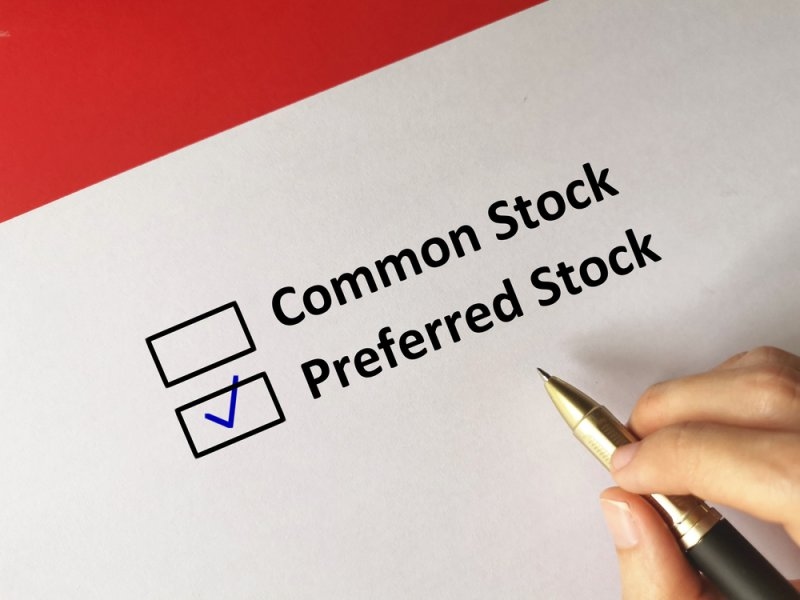
Both kinds of shares have their perks, depending on whether you care more about steady paychecks or long-term growth. Don’t get stuck just comparing returns. Yes, that’s important, but your choice between common and preferred stock ripples through everything: the dividends you could receive, whether or not you get a say in company decisions, and what happens if the business falls apart. Dig into these details now, and you’ll make smarter calls later.
Before you put your money in, make sure you know what you’re actually buying. Both common and preferred shares give you stock ownership in a company, but the rights and benefits aren’t the same.
Common shares are what most people think of when they talk about owning stock. You get the chance for your shares to grow in value, and you usually also have voting rights—maybe you’ll even help pick the board members.
Preferred shares are a little different. You still technically own part of the company, but the focus shifts to reliable income. These usually come with fixed dividends, paid out before common shareholders see anything. Most preferred shareholders don’t get to vote, either. So, you trade some decision-making power in exchange for steady payouts.
When most people talk about stock investing basics, they mean common shares. You own a bit of the business, and you can vote on big company decisions. Your potential returns depend mostly on whether the company grows and the stock price rises, and sometimes you’ll get dividends—but nothing’s guaranteed.
If you’re after big growth, this is your lane. With common shares, you’re betting on the company’s future. Sure, they’re riskier, and the payouts can be inconsistent, but the upside, over time, can sometimes be much bigger.
Preferred shares are sort of a blend between stock investing basics and bonds. You still own a stake, but the focus is income, not growth. Most companies pay fixed dividends to preferred shareholders before anyone else gets a cut. Even if the company’s profits fluctuate, those payments usually don’t.
Preferred shares rarely come with voting rights. What you do get is more peace of mind. If the company tanks and has to pay out whatever it has left, preferred shareholders get in line before common shareholders. That priority makes preferred shares appealing for anyone who values stability.
Learn More: How to Read Stock Charts Like an Expert Even If You Are Not?
Knowing what the key differences are between these two makes you less likely to make the wrong financial decision for yourself.
| Feature | Common Shares | Preferred Shares |
|---|---|---|
| Voting rights | Usually included | Usually not included |
| Dividend payments | Variable and not guaranteed | Generally fixed and paid first |
| Growth potential | Higher | Moderate |
| Risk level | Higher | Lower |
| Liquidation priority | Paid after creditors and preferred shareholders | Paid before common shareholders |
| Suitable for | Growth-focused investors | Income-focused investors |
That’s why a lot of experienced investors hold both types, balancing growth hopes with dependable income.
Don’t assume all shareholders get the same treatment. Common shares usually mean you get to vote and have your voice heard in major company moves. If the business takes off, you could see your investment grow a lot.
With preferred shares, you almost always lose voting rights, but you gain reliable dividends and more security if things go south. A common trade-off: total control & lots of possibilities, versus the assurance of consistent results.
Ask yourself: What do you really want out of this investment? If you’re dreaming of long-term wealth (and can handle some ups and downs), common shares may be the way to go. They offer more room for your money to grow as the company grows.
If you want a reliable income or hate surprises, preferred shares make more sense. The dividends come in regularly, and you won’t have to worry each quarter.
And honestly, lots of folks mix both. That way, you’re not putting all your eggs in one basket—steady dividends from preferred, upside potential from common.
Let’s see some common mistakes that you should avoid:
The more you understand the key differences, the less likely you are to regret your choice.
You Might Like This: Learn How to Buy Stocks and Start U.S. Trading Today
Choosing between common and preferred stock comes down to your goals: growth, reliable income, or both. If you're a long-term investor hoping to get rich slowly, common shares could be the right fit. If stability is your goal, then you might prefer to buy preferred shares.
The more you know about how owning a stock works, the more readily you'll be able to create a balanced strategy with enough depth to keep you on track. You can find the investment that works for you with this common stock vs preferred stock guide.
A company has control over its dividends and its dividend policy. The owners of preferred stock are usually better protected, particularly if the shares are cumulative, and all back dividends may still need to be paid to common stockholders. Investors of common stock do not have any guaranteed claim to dividends, so their income might need to be temporarily forfeited when a company is experiencing difficulties.
Yes. Many companies offer both types of stock to attract different types of investors. Growth-minded investors are generally more attracted to common stock, while those seeking a steadier income stream will be drawn to preferred stock because of their relatively guaranteed income and the fact that they receive a relatively higher amount compared to common stock.
More often than not, the market for preferred stock doesn't move nearly as much as the market for common stock, and that's largely due to the fixed dividends investors receive, which can appeal to them more and make it difficult to sway market share from a common stockholder. Common stock will always tend to be more volatile than preferred stock.
The answer depends on your personal investment goals, and the first step toward becoming an investor should be defining what type of goals you possess in relation to a company, and when you would need the income and from an investment.
This content was created by AI