

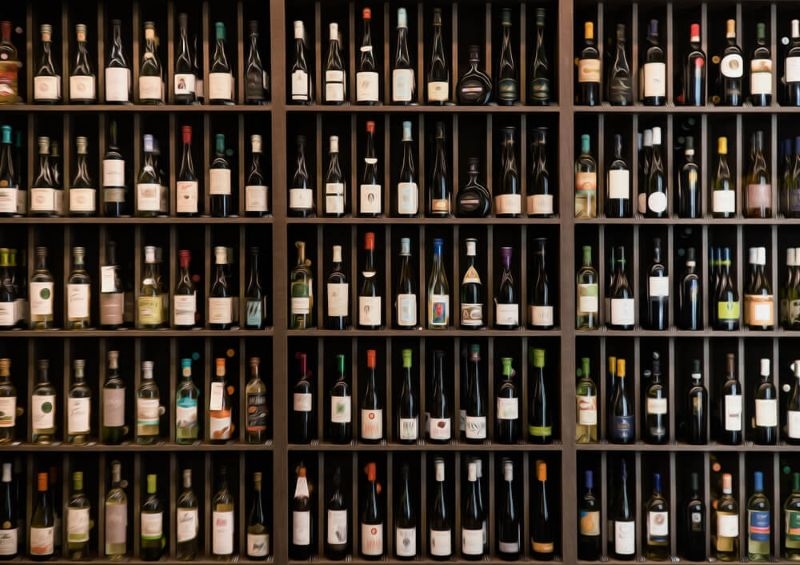
Investing in wine has become one of the most complex forms of alternative investment available today. Investors can obtain a physical asset with a global market and a long track record of surviving economic downturns. The attractiveness of investing in wine lies not only in the status of owning fine wines but also in other measurable benefits, such as diversification from traditional investments like stocks and bonds, and the ability to provide a hedge against inflation.
An effectively structured, diversified fine wine portfolio will be a nice complement to traditional financial assets, providing a rich, long-term financial return on your investment while also offering luxury to you and your family.
Investors also have evidence to support their investments in wine, including historical supply-and-demand analysis supported by global consumption trends, as well as comprehensive performance data for wines tracked by major financial entities (e.g., the U.S. Securities and Exchange Commission). Given the above, let’s take a closer look at how an investment in wine can be made and whether or not investing in wine should be a part of your asset allocation.
Learn More: Top Penny Stocks to Watch 2025: Invest Smart for Big Gains!
Investing in wine is now being grouped with investing in alternative investments such as gold, real estate, and art, and rightly so! The reason that wine is so an attractive investment is:
Fine wines are produced in limited amounts! Once they are made, and once the bottles are consumed, the supply is permanently reduced. While this may happen, as demand for fine wines is increasing worldwide (especially from new luxury markets) and the number of available bottles continues to decrease, it creates a unique opportunity for investors to experience value appreciation based upon scarcity, so scarcity-related value appreciation is a fundamental premise of why fine wines are an attractive investment.
Although there is no guarantee that past performance will be indicative of future results (something FINRA continually reminds investors), reputable wine indexes indicate that, for the most part, fine wines have historically provided comparable long-term returns to traditional equities and have experienced less price volatility than the stock market. Past data also shows that wine has held its value (somewhat) throughout economic downturns.
Another benefit of investing in wine is that there is little correlation between wine and the traditional stock and bond markets. When stock or bond prices fluctuate, wine prices generally do not. The reason for this is that wine prices are generally driven by demand from collectors, the quality of each bottle of wine being produced, as well as the reputation of the winery, rather than by the net income of a corporation that produces it.
For investors seeking to balance equity exposure in the stock category, wine investing can provide a refined hedge.
Investing in wine requires careful planning and thorough research. Wine investment differs from the public stock market in that it requires specialized market knowledge and proper storage of investments.
When it comes to investing in fine wines, you have several options.
Before making any final investment decisions, be sure to review the risk disclosure documents, such as those provided by the U.S. Department of the Treasury, which highlight the need to diversify your investments and to follow long-term investment principles.
Read Next: Learn How Stock Buybacks Affect Value and Stock Prices
The way you store the wine is just as important as its history and provenance. Proper storage should be in a climate-controlled environment to protect the value of your investment. The provenance (history of ownership and storage) of a fine wine can significantly affect its resale price. Because of the importance of how a fine wine is stored, even a minor lapse in proper storage can greatly affect your return.
Wine is generally grouped into three prominent wine regions or countries: Bordeaux, Burgundy, and Napa Valley. These regions continue to dominate the portfolios of most wine investors. Typically, established producers of fine wine with a twenty-five- to forty-year history can provide a more predictable appreciation than newer producers.
By investing in wines from fully recognized, established wine regions or producers, an investor should increase the potential benefits of wine investment through market demand and scarcity.
When inflation is high, luxury items such as wine will continue to retain their value. Investments in wine will act as a protection against inflation due to actual scarcity and worldwide desirability.
Owning a piece of real-world property (like a fine bottle of wine) has a value that is greater than any digital security. People who are looking for a stable place to put their money and/or diversify their portfolios beyond cash or paper investments may find tangible ownership appealing.
There are different laws in different jurisdictions (countries and states) governing the treatment of wine investments versus other types of securities for estate-planning purposes. Working with an experienced team of financial professionals will help you ensure that any investments in wine will conform to the laws in your jurisdiction and will make full use of the advantages of using wine as an investment.
Fine wine has an additional quality that makes it unique as an investment option. In the event that conditions in the market change, you will still have possession of a luxury item - wine that provides you with an inherent enjoyment value. Few, if any, alternative investments will allow you to retain this degree of optionality.
A Closer Look at This: Technical Indicators for Trading Every US Trader Should Know
Prior to making an investment of money, answer these questions:
Financial experts, such as those at Investor.gov, strongly recommend that you understand the risks involved before entering any non-traditional market. The investment in wine will typically take time, research, and assistance from an experienced professional.
Wine investing can provide excellent returns; however, it should be only one part of your investment strategy, not a replacement for your portfolio. If you strategically allocate your assets, you will maximize your potential to benefit from your wine assets without increasing your risk exposure.
Investing in wine is an elegant and sophisticated way to combine a financial strategy with a luxurious lifestyle. In general, wine investments offer diversification, inflation resistance, and a tangible asset. For wine investors committed to making wise investments, fine wines can generate steady, consistent returns.
Just as with all investments, investing in wine also requires the investor to conduct sufficient research, exercise discipline, and maintain a long-term investment horizon. By deploying your investing strategies according to standard, well-tested financial principles and advice provided by regulators around the world, you will receive both the honour and the possibility of profit that wine can provide.
As we continue to see markets change very quickly, adding wine to a well-diversified portfolio may be the sophisticated, calculated decision you need to help you develop a unique investment strategy.
Wine investments typically exhibit less price volatility than equity investments; however, there is still risk associated with investing in fine wines. Wine investment can also be influenced by factors such as market demand, storage conditions, and international economic conditions. Therefore, investors should continue to diversify across various asset types to manage volatility in a balanced way.
Although everyone’s situation is different, many wine industry professionals recommend that starting your investment in fine wine with a minimum of a few thousand dollars will be beneficial, assuming that you have a long-term focus, the ability to properly store your wines, and have/plan to diversify your investments over time into a wider range of alternative investment strategies.
There are many advantages associated with investing in wine; these can include: diversification of your overall investment portfolio, hedge against inflation, tangible asset ownership, and low correlation to traditional equities. If you structure your wine investment appropriately, it can improve your portfolio overall, provide long-term growth potential, and build prestige.
This content was created by AI